Design Your Emails the Right Way

Martin Tord Updated on Mar 19, 2026 9:37 AM
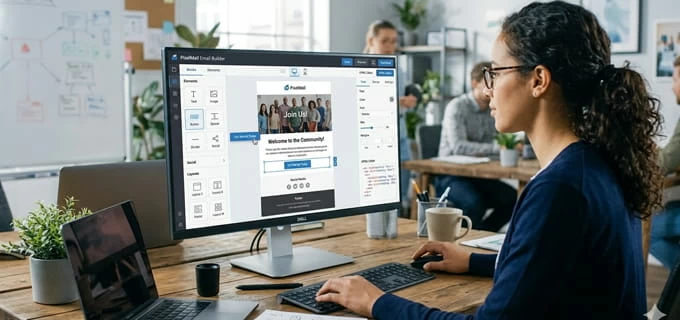
Creating effective marketing emails requires a thoughtful balance between design, content, and timing. Whether you are using an html email builder or coding templates manually, the structure of your email plays a major role in engagement. While visual appeal is important, marketers also need to think about scheduling and strategy. Many businesses ask how often you should send email marketing campaigns to maintain audience interest without overwhelming subscribers. Understanding email marketing frequency best practices and combining them with strong design helps ensure your emails deliver value and achieve better results.
Why Email Design Matters in Marketing Campaigns
Good design improves readability, encourages interaction, and reinforces brand identity. Even when marketers understand how often to send marketing emails, poorly structured layouts can reduce engagement.
A well-designed email allows readers to quickly scan the content and locate key information. This becomes especially important when deciding how often email marketing should be sent, because frequent messages require a clean and consistent structure to avoid frustrating subscribers.
Clarity and Visual Hierarchy
Design should guide readers through the message in a logical order. Headlines, images, and call-to-action buttons must be arranged clearly so that recipients immediately understand the purpose of the email.
Mobile-Friendly Email Design
Most people check emails on mobile devices. If your design does not adapt to smaller screens, it can negatively affect engagement, regardless of how often you should send email marketing campaigns.
Structuring Emails for Better Engagement
A strong email structure ensures that your message remains easy to understand. When marketers ask how often I should send email marketing, the answer often depends on the quality of the content and the clarity of the layout.
To create an effective email structure, follow these steps:
1. Start with a recognizable header and logo
2. Use a clear headline to introduce the topic
3. Add short paragraphs that are easy to scan
4. Include a visible call-to-action button
5. End with a footer containing contact and subscription details
This structured approach works well alongside email marketing frequency best practices, ensuring each email remains clear and valuable to subscribers.
Key Design Elements Every Email Should Include
Effective email design combines several important elements that improve readability and encourage interaction. Even if you already know how often to send marketing emails, these design elements help ensure every campaign performs well.
Important elements include:
- Consistent branding and color schemes
- Readable typography and proper spacing
- Mobile-responsive layouts
- Strategic placement of call-to-action buttons
- Optimized images that load quickly
These components help maintain a professional appearance and support the goals of your email campaigns.
Balancing Design and Sending Frequency
Design and scheduling work together in email marketing. A visually appealing email can attract attention, but sending too frequently may reduce engagement. Many marketers continue to ask how often should I send email marketing messages without overwhelming their audience.
Understanding Audience Preferences
Analyzing engagement metrics such as open rates and unsubscribe rates can help determine how often should email marketing be sent for your specific audience. Testing different schedules is often the most reliable approach.
Following email marketing frequency best practices allows marketers to refine both their design strategy and their sending schedule over time.
Conclusion:
Designing emails the right way requires more than attractive visuals. It involves combining clear layouts, responsive design, and strategic timing. Using an html email builder can simplify the design process while maintaining consistency across campaigns.
When businesses balance strong design with thoughtful scheduling, they gain a better understanding of how often should you send email marketing messages and how to deliver content that keeps subscribers engaged. Applying proven email marketing frequency best practices ensures that every campaign remains effective, professional, and valuable to your audience.