
Forgot iPhone 14 passcode? 4 ways to get back in


If your iPhone suffers from a serious iOS problem, lockout without passcode, or you want to sell it, you'll want to restore it to its factory settings. Here's how to factory reset iPhone.

Tip: Regardless of whether you have an old iPhone 8 that has a Touch ID, a newer iPhone 17 with Face ID, or anything in between, the steps on how to factory reset iPhone should be similar.
Need to reset your iPhone but don't know your lock passcode? You can perform a factory reset using the Recovery Mode, or take advantage of excellent third-party passcode/-word removal utility, something like Appgeeker iPhone Unlocker.

It's easy to restore your iPhone to factory settings and erase information from your iPhone securely., even without passcode.
Our phones hold our entire lives. From banking apps and medical records to thousands of photos, your iPhone is a digital fingerprint of who you are. Whether you are upgrading to a new flagship, handing down the old device to a family member, or selling it to offset the cost of your next tech purchase, there is one critical roadblock you have to clear first: wiping your data.
Simply deleting a few apps or logging out of email accounts isn't going to cut it. To truly protect your privacy, you need to perform a full factory reset.
Resetting an iPhone to its factory settings is remarkably straightforward, but if you skip even one fundamental step—like properly untethering your Apple ID—you could accidentally lock the next user out completely or leave your personal data exposed.
Here is a comprehensive guide to factory resetting iPhone safely and securely.
On an iPhone, a factory reset returns the device's software to the exact state it was in when it first rolled off the assembly line.
Your data is always encrypted by default when the phone is locked. When you perform a factory reset, the iPhone doesn't just overwrite the storage blocks with zeros; it securely destroys the hardware encryption keys required to read that data. Without those keys, your photos, messages, and accounts become absolute gibberish, rendering them completely unrecoverable by any standard data-recovery software.
The biggest difference between a standard reboot (turning your phone off and on) and a factory reset is permanence. A factory reset will wipe:
Think of a factory reset as a complete clean slate. If you're dealing with deep-seated software bugs, battery drain issues that won't go away, or a storage partition clogged, a factory reset can breathe new life into an aging device.
Warning: A factory reset is entirely irreversible once completed. If you haven't backed up your files, they are gone for good.
While the actual wiping process only takes a few minutes, you need to gather a handful of prerequisites to ensure you don't get stuck halfway through. Make sure you have the following ready before starting:
Related: How to transfer photos from iPhone to laptop
If resetting the iPhone is your last resort, remember to use the backup function in the device to back it up so that you can restore your data later.
1. Connect your device to a Wi-Fi network, and plug into a power.
2. Go to Settings > [Your name].
3. Tap iCloud.
4. Tap iCloud backup.
5. Under Back Up Now, you'll see the date and time of your last backup.
6. Tap Back Up Now. Keep your iPhone connected to your Wi-Fi network until the backup process completes. You can also enable Back This iPhone Up toggle so that it can make backups of your device automatically.
If you erase the iPhone without logging out correctly, the phone will boot up to a lock screen demanding your password before anyone else can activate it. Thankfully, iOS has streamlined this into the reset process over the last few iterations, but doing it manually first provides peace of mind.
1. Open Settings and tap your name at the top.
2. Scroll all the way to the bottom of the page and tap Sign Out.
3. You will be prompted to enter your Apple ID password to turn off Find My. Enter it and tap Turn Off in the upper right corner.
4. Choose whether you want to keep a copy of your data on the device. Since we are wiping it completely, you can leave these toggles turned off.
5. Tap Sign Out again to confirm. Your iCloud account, Wallet cards, and personal profiles will be cleanly detached from the hardware.
Related: iMessages missing on iPhone
With your data backed up and your Apple ID unlinked, you are officially ready to perform the actual wipe.
Step 1: Open Settings app.
Step 2: Navigate to General > Transfer or Reset iPhone.
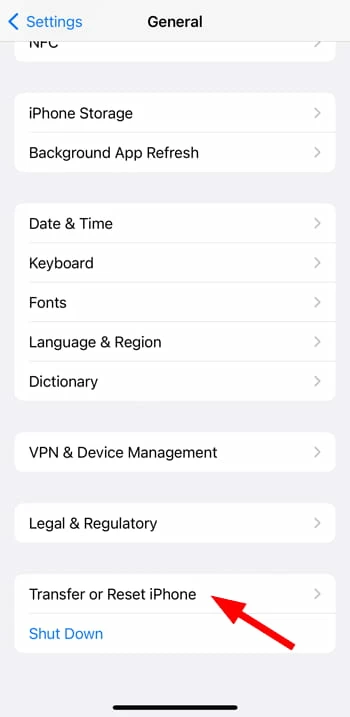
Step 3: Tap Erase All Content and Settings.
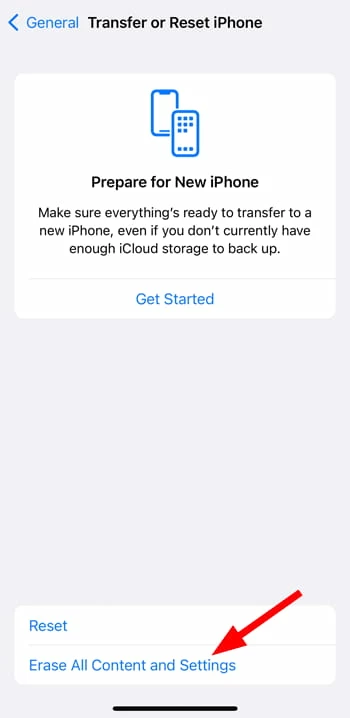
Step 4: Enter your passcode or Apple ID password to verify that you're the owner. If you have Screen Time restrictions turned on, you may also be prompted for a separate Screen Time passcode.
Step 5: If you have an eSIM, you can choose to ignore it or erase your eSIM.
Step 6: A final confirmation popup will ask if you are absolutely sure. Tap Erase iPhone. The screen will immediately go black, and the classic Apple logo alongside a progress bar will appear indicating that it is erasing the data.
It can take an hour or more for the factory reset to complete especially if you have a large amount of data on the iPhone. Make sure you have enough batter on the device — ideally, leave it plugged in during the reset process.
When the iPhone restarts, it means that it completely wipes your device and erases your data. You can hand it over its next owner, or restore your data from the previous backup and set it up again.
If you forget iPhone passcode and get the device into security lockout state, don't worry. Factory resetting on iPhone can be done without computer through your Apple ID and password.
1. To factory reset iPhone using Apple ID and password, try to enter your passcode 7 times to the lock screen until you see an iPhone Unavailable error on the screen.
2. Tap the Forgot Passcode? button on the bottom right corner.
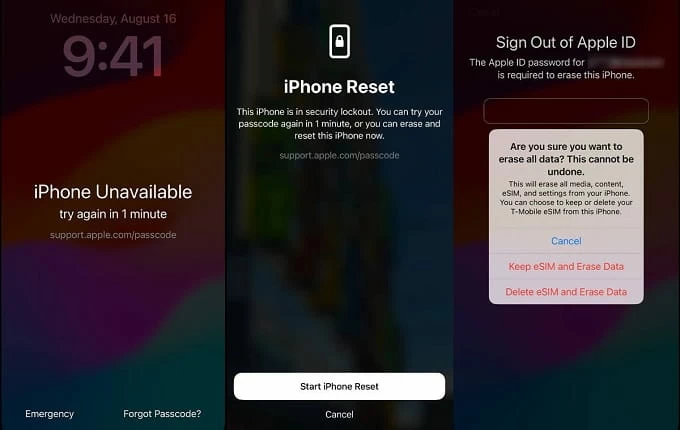
3. Tap Start iPhone Reset again to confirm your action, then enter your Apple ID password and you're good to go.
Wait for your iPhone to reset to its factory settings. When your device reboots with Hello screen, your iPhone has been factory reset successfully.
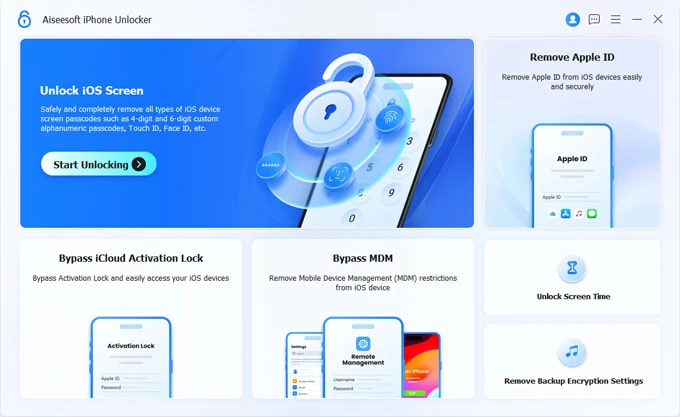
Another case why you would want to perform iPhone factory reset is if you lost your lock screen passcode and can't unlock it. If you can't reset iPhone to factory settings using Settings app or Apple account, you may go with Appgeeker iPhone Unlocker, an efficient and reliable third-party program that focuses on factory resetting an iPhone or iPad when it's locked, unavailable, security Lockout, disabled, or even if you can't remember the lock screen passcode.
It also can bypass your forgotten Apple ID and password, remove Screen Time passcode, get rid of Mobile Device Management lock, and reset iTunes backup password.
Follow these steps to reset your iPhone to its factory state using Appgeeker iPhone Unlocker.
What happens if you need to factory reset a phone that won't even let you pass the lock screen? You aren't completely out of luck. You can force a factory reset using a computer via Recovery Mode.
1. First, plug your iPhone into your computer.
2. Open Finder (on Mac) or the Apple Devices/iTunes app (on Windows).
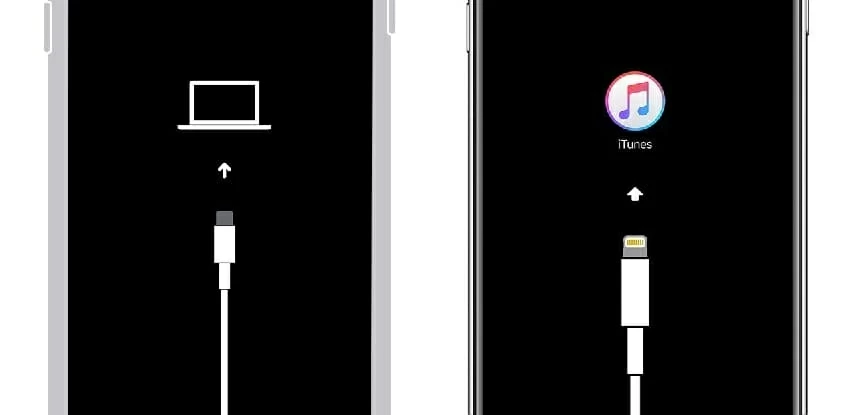
3. On iPhone 8 and later, including iPhone SE (2nd and 3rd generation), press and quickly release the Volume Up button. Press and quickly release the Volume Down button. Then, press and hold the Side button until you see the support screen showing a laptop and a cable icon. Do not let go when you see the Apple logo; keep holding until the recovery screen appears.
4. Once your computer detects the iPhone in Recovery Mode, a window will pop up with two options: Update or Restore.
5. Click Restore. Your computer will download the latest official iOS software directly from Apple's servers and flash it cleanly onto the device, wiping away everything in its path.
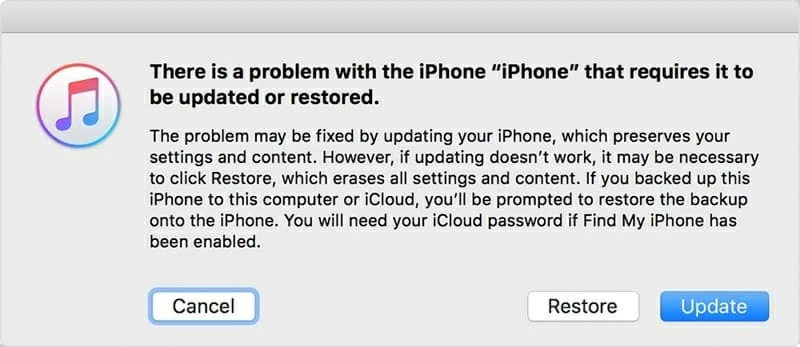
Keep in mind that if Find My was enabled on this device prior to the breakdown, you will still need to enter your Apple ID credentials on the computer or on the phone during the subsequent startup wizard to bypass Activation Lock.
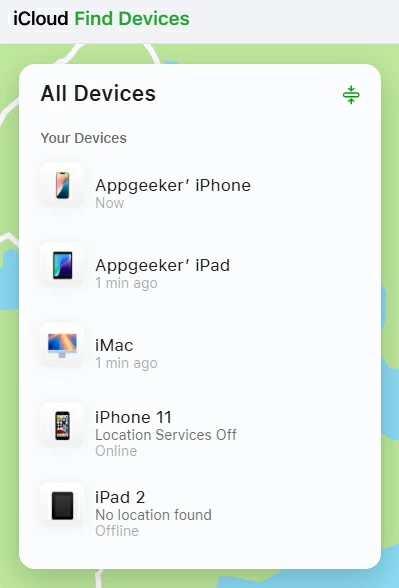
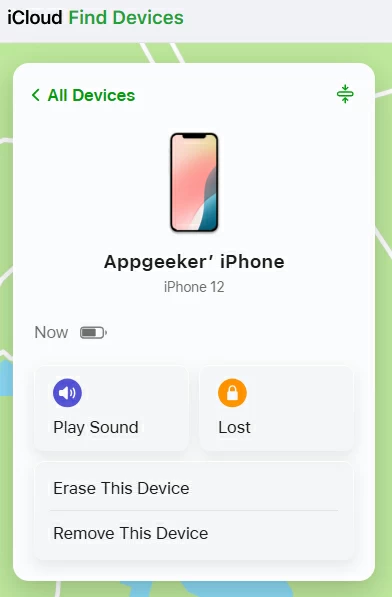
Your iPhone was stolen or missing unexpectedly, and need to do a wipe to protect your data? You still have option to factory reset the phone remotely. iCloud includes a "Find My iPhone" feature that allows you to erase everything on the iPhone and reset it to factory defaults remotely.
Here's how to factory reset your lost iPhone remotely:
Related: How to transfer WhatsApp to new iPhone
In this part, you will learn more about factory resetting iPhone by reading the following questions and answers.
How do you factory reset an iPhone?
If you have passcode to unlock your iPhone, resetting it to its factory settings will be pretty easy. All you have to do is go to Settings > Genera > Transfer or Reset iPhone. Then you can enter your passcode and follow the instructions to wipe iPhone to factory settings.
How to reset an iPhone without knowing password?
If you have forgotten your passcode and want to factory reset the iPhone and erase data, you can use your Apple ID and password, or use a computer to put the device into Recovery mode and erase it using Restore feature, or sign into iCloud site to erase the iPhone remotely.
You can also use Appgeeker iPhone Unlocker mentioned above to reset your device completely. It simplifies the process of factory resetting on iPhone without password.
Will a factory reset downgrade my iOS version?
No. A factory reset only wipes user data and cache partition files; it does not roll back the Operating System. If your iPhone is running iOS 18 before the reset, it will still boot up running iOS 18. The only way to revert to an older version of iOS is via complex, time-sensitive flashing procedures on a computer, and only if Apple is still digitally signing that older software version.
Does a factory reset delete my eSIM or carrier network?
It is optional. When you hit "Erase All Content and Settings," your iPhone will explicitly ask you: "Do you want to keep or delete your eSIMs?"
If you are keeping the phone, choose to Keep eSIM. This saves you a trip to your carrier to re-activate your cellular plan. If you are selling or trading it in, choose to Delete eSIM so your phone plan isn't attached to a device someone else will own.