
Factory Reset iPhone without iTunes


Forgetting passcode on iPad can happen at times, but don't panic. It's easy to unlock an iPad without a passcode, even though the device has been disabled or unavailable.

After you set up a 4-digit or 6-digit passcode on your iPad for safeguarding data, something bewildering could occur when you unlock your iPad with passcode: you forgot the iPad passcode, or it says unavailable message on the screen with a timer counting down. Try too many times, and you are locked out completely.
The good news? You can unlock your iPad and regain access. The catch? You will need to wipe the device and restore it from a backup—and you must clear Apple's Activation Lock to make it usable again.

The routes for how to unlock your iPad without a password are listed as follows:
On device reset: If your iPad is running iPadOS 17 or later, you can perform a reset directly from the lock screen.
Using Recovery Mode. If you have a computer, plug the device to it and restore from this mode.
With Appgeeker iPhone Unlocker. It'll guide you through how to unlock the iPad without knowing any passcode or entering any password. No need to install iTunes, too.
Through iCloud. Sign into iCloud.com and remotely wipe the iPad to unlock the passcode.
Before taking any troubleshooting steps to unlock the iPad when forgetting the passcode, you must understand a fundamental rule of Apple security: Unlocking a passcode-locked iPad will completely erase all apps, personal data, and settings on the device. Apple does not offer a mechanism to bypass a forgotten passcode while keeping your photos, apps, and local files intact unless you already have a recent iCloud or computer backup.
Furthermore, erasing your iPad does not remove Activation Lock.
Activation Lock is an automated security feature tied directly to Apple's Find My network. Once your iPad is wiped using Recovery Mode or Finder, the device will restart to the initial setup screen and prompt you to enter the Apple Account (Apple ID) email and password previously linked to the tablet.
If you have your Apple Account credentials ready, proceed with the methods below.
See also: How to remove Apple ID from iPhone
If you don't have access to a computer, you can unlock your iPad and reset it to factory settings directly from the lock screen using your Apple Account credentials.
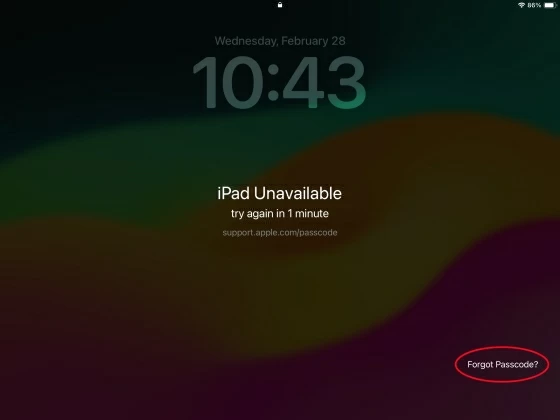
To restore the iPad and get into it, you can continue to fail the passcode attempt, as the final one should display an "Forgot Passcode?" button on the screen. From there, just enter the Apple ID password and it will auto erase.
Steps to unlock iPad without passcode directly on screen:
1. Keep entering incorrect passcodes on your iPad lock screen until you see the "iPad Unavailable" or "Security Lockout" screen.
2. Tap "Forgot Passcode?" button when you see it in the lower right corner.
3. A screen will inform you that your device is in Security Lockout and that erasing will delete all content and settings. Tap Start iPad Reset or Erase iPad again to confirm.
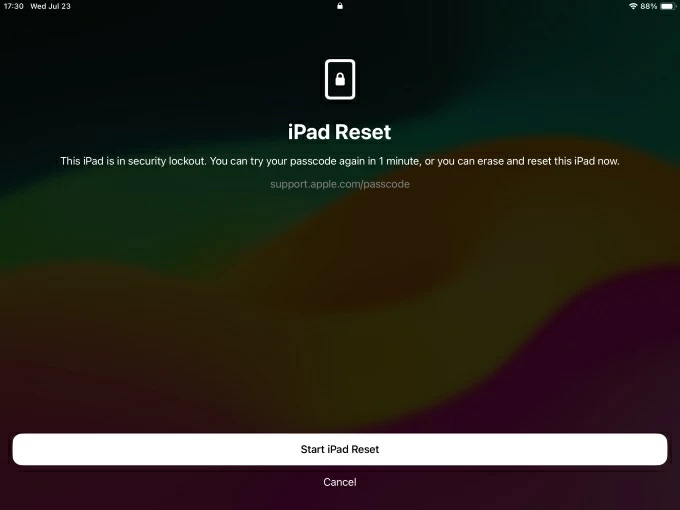
4. Enter your Apple Account password when prompted. This signs you out of your Apple ID and verifies device ownership, automatically disabling Activation Lock in the process.
5. Tap Erase iPad one final time. Your tablet will restart and display the Apple logo progress bar while wiping your device.
Once finished, set up your device as new or restore your latest cloud backup.
See also: How to transfer photos from iPhone to laptop
You might be familiar with Recovery Mode in solving iOS system issues like fixing a frozen iPad or iPhone. And this trick can be also applied to unlocking a locked iPad without password.
Before accessing the actual iPad passcode unlocking process, you must place the iPad into Recovery Mode and connecting it to a computer. This forces the device to erase its firmware, remove the passcode, and reinstall the latest version of iPadOS.
Tips:
Steps to unlock iPad using a Mac or Windows PC via Recovery Mode:
Unplug your iPad from your computer if it's connected. Then, put the device into Recovery Mode using button combination, which is different between an iPad with Home button and an iPad with Face ID
The Recovery Mode screen should be presented with an icon of a computer with a cable pointing it, or an image of a charger and the iTunes logo appears.
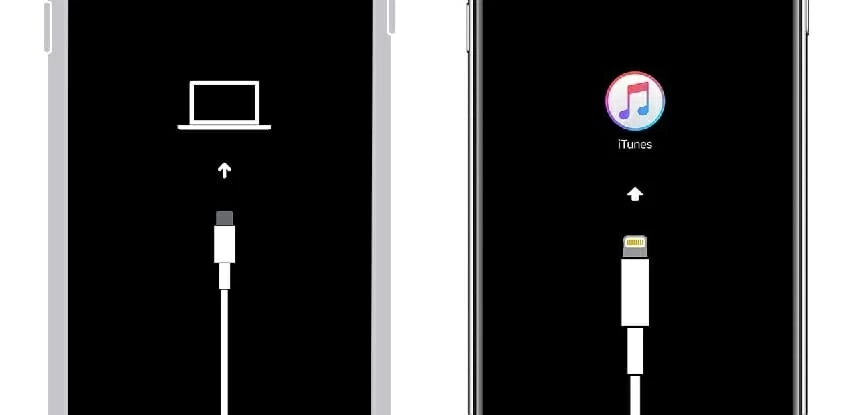
Open Finder (on modern macOS) or the Apple Devices / iTunes app (on Windows PC). Locate your iPad in the sidebar or device menu. A pop-up dialog box will appear stating that there is a problem with the iPad.
Click Restore.

Your computer will download the latest iPadOS software build for your device.
Once the restore process completes, your iPad will reboot with a factory-fresh "Hello" screen. Follow the on-screen instructions, sign in with your Apple Account to clear Activation Lock, and select Restore from iCloud Backup or Restore from Mac/PC to bring back your data.
If the iPad doesn't show "Forgot Passcode?" option on the screen or iTunes won't recognize the device on your computer, the third-party dedicated utility like Appgeeker iPhone Unlocker (iKnockin) can help you out with ease.
Despite the name, Appgeeker iPhone Unlocker works well for both iPhones and iPads. It simplifies this process by providing an automated, point-and-click desktop utility that detects the iPad, fetches the correct firmware, and removes screen locks, Apple ID accounts, or MDM restrictions without technical expertise.
Use the download link below to get the tool on your PC or Mac:
How to unlock iPad passcode with Appgeeker iPhone Unlocker.
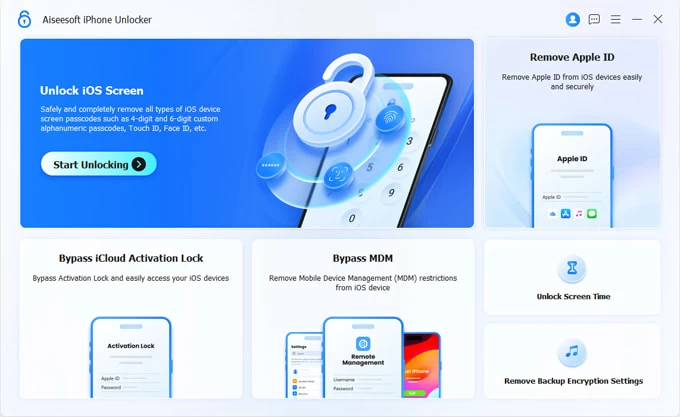
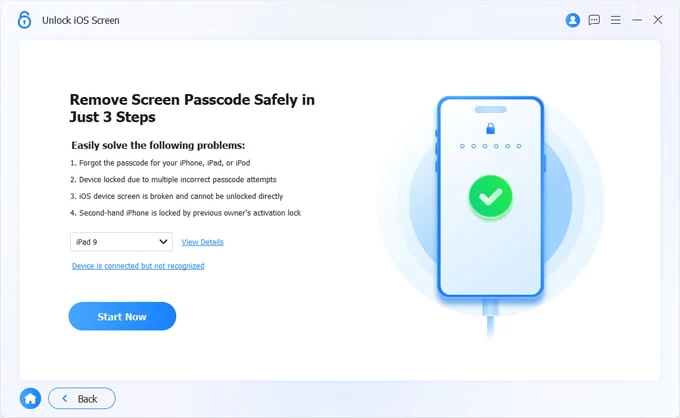
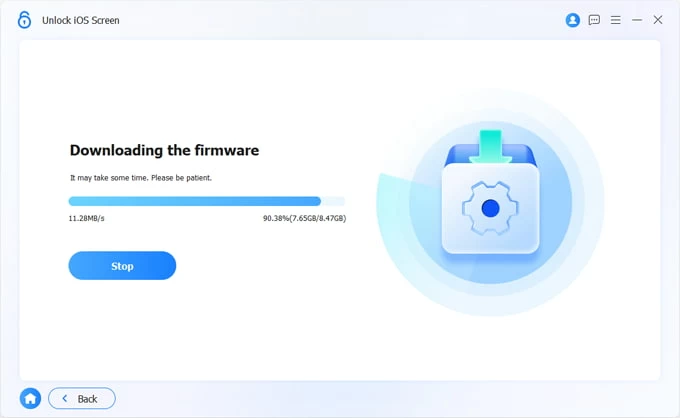
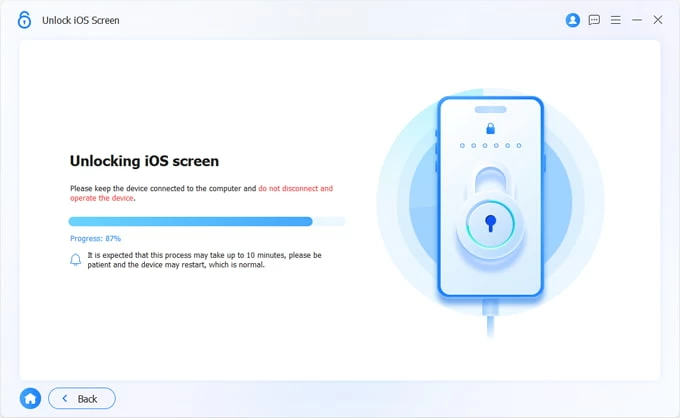
The program will restore your iPad entirely to get rid of the configured passcode and unlock it. Once finished, your iPad will reboot as new and the lock screen and passcode will be removed.
See also: How to remove Remote Management from iPhone
Another way to go when you can't unlock the iPad is using a remote erase command using any web browser on a smartphone, tablet, or PC as long as it is signed into iCloud and connect to Wi-Fi..
Requirements:
1. On any accessible phone or tablet, go to iCloud.com/find.
2. Type in Apple ID and password to log in.
3. Select All Devices at the top or center of the map view, then select your locked iPad from the list.
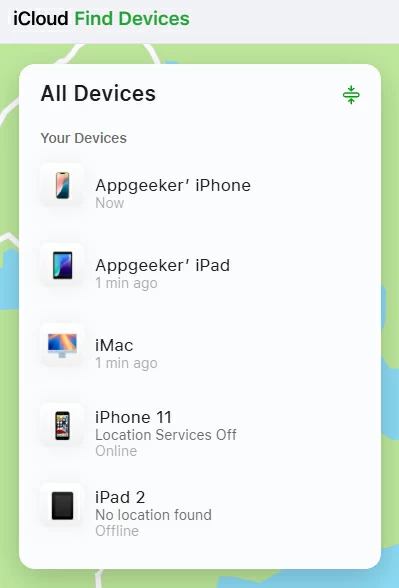
4. From the options displayed under your iPad icon, select Erase This Device.
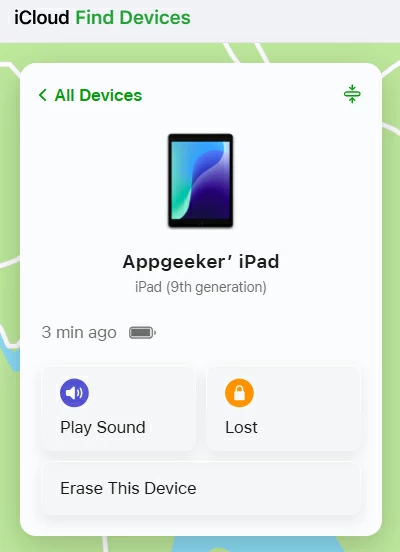
5. Enter your Apple ID credentials and hit Erase to start erasing your iPad and unlock an iPad without passcode.
As long as the iPad is connected to the internet, the remote wipe command will execute immediately. The device will erase all local files, clear the passcode, and reboot to the initial setup screen. When setting it back up, sign in with the same Apple Account to remove Activation Lock and reload your data.
As established, every method of resetting a locked iPad without knowing the passcode requires clearing Activation Lock with your Apple Account password. If you have forgotten that password as well, you must reset it before attempting to setup or unlock your iPad:
Use a Trusted Device: Go to Settings > [Your Name] > Sign-In & Security > Change Password on an iPhone or Mac already signed in to your account.
Use the Apple Support App: Download the Apple Support app on a family member's iPhone or iPad, navigate to Support Tools > Reset Password, and follow the prompts.
Visit standard web recovery: Go to iforgot.apple.com in a web browser to initiate account recovery.
If you cannot verify your identity or access account recovery options, contact Apple Support with your official proof of purchase (such as an original retail store receipt with the device's serial number) to submit an Activation Lock Support Request.
See also: Recently Deleted Photos album missing on iPhone
Once your iPad is restored and running smoothly, take a few administrative precautions to ensure you never lose access to your data again:
1. Enable Automatic iCloud Backups: Go to Settings > [Your Name] > iCloud > iCloud Backup and toggle it On. Your iPad will automatically back up every night when connected to power, Wi-Fi, and locked.
2. Set Up a Recovery Contact: Go to Settings > [Your Name] > Sign-In & Security > Account Recovery. Add a trusted family member or friend as a Recovery Contact who can generate a code to help you log back in if you forget your password.
3. Use a Password Manager: Store your device passcodes, Apple Account details, and recovery keys in an encrypted password manager so you can reference them securely across all your hardware.